Featured


How Industry Developments in Bankruptcy Counseling Solutions can Save You Time, Stress, and Money.
Table of Contents
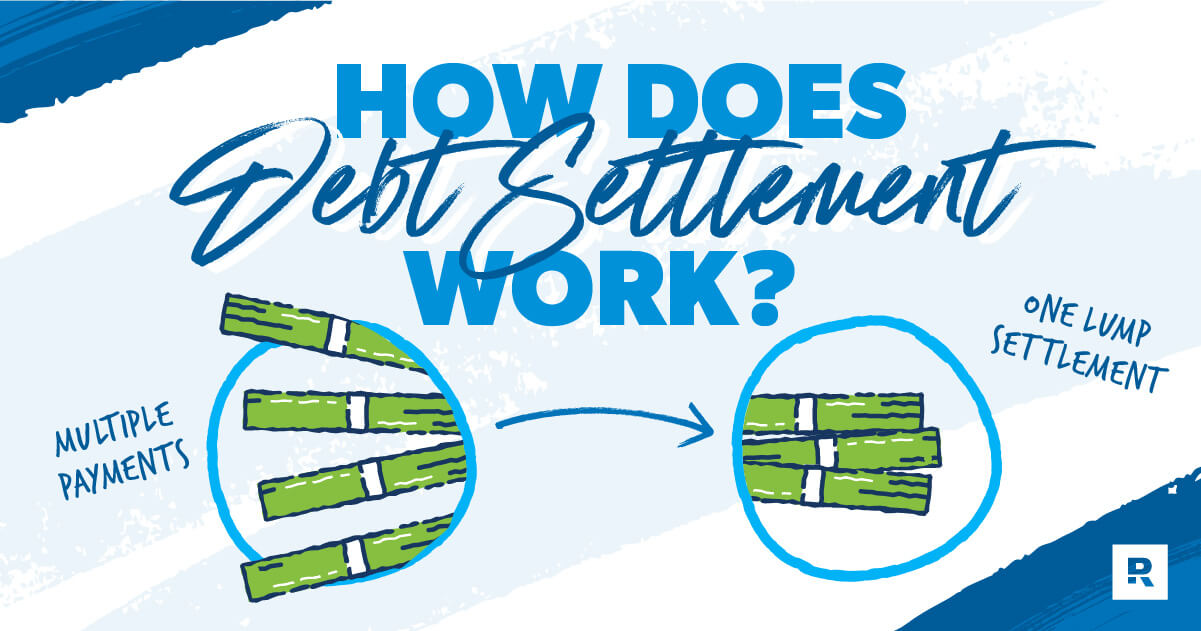
That maximizes money in the brief term, and you might have 3 to four years to save towards the negotiation quantity. Very dangerous to credit report ratings, mainly as a result of missed settlements and an adverse "cleared up" mark that might stay on your credit history report for as much as 7 yearsMay be just choice if other choices (financial debt loan consolidation, equilibrium transfer charge card, financial obligation forgiveness) aren't possibleTypically requires a charge to the 3rd celebration, which might offset some or every one of the savings from financial obligation settlementMay assist you stay clear of insolvency if you've missed a number of paymentsNot all creditors deal with debt negotiation firms Debt mercy may be appropriate for you if you are experiencing a monetary difficulty that makes it almost difficult to pay for your debt balances.
With a DMP, you make one monthly payment to the credit score therapy company. Those funds are then dispersed to lenders of your unsecured debts, such as charge card and installment financings. The company collaborates with your financial institutions to minimize rates of interest or forgo charges, however some financial institutions may reject such concessions.
It can aid you pay down financial obligation if you're able to safeguard a financing price that's lower than the ordinary price of the accounts you're consolidating. You should refrain from racking up debt on those newly gotten rid of accounts or your financial obligation might grow also greater.
That gives you plenty of time to remove or dramatically decrease your balance while making interest-free settlements.
The Facts About Initial Consultation and What to Bring Revealed
You may require it if your creditor or a debt collection agency ever before attempts to accumulate on the financial debt in the future. The letter could confirm you don't owe what the debt collection agency's records show. Yes, most of the times, the IRS takes into consideration forgiven debt as taxable revenue. When a lending institution forgives $600 or more, they are required to send you Kind 1099-C.
Financial debt mercy or negotiation often hurts your credit. Anytime you clear up a financial debt for less than you owe, it may look like "worked out" on your debt record and affect your credit rating for 7 years from the date of settlement. Your credit score can additionally go down considerably in the months causing the mercy if you fall back on payments.
Innovation in Specialty Counseling Services : APFSC Tailored Financial Support for Dummies
Tax financial obligation compromise programs Tax financial obligation occurs when the amount of tax obligations you owe surpasses what you have paid. This situation frequently results from underreporting income, not submitting returns on schedule, or discrepancies discovered throughout an internal revenue service audit. The effects of collecting tax obligation financial debt are severe and can consist of tax liens, which give the internal revenue service a lawful insurance claim to your building as security for the financial obligation.
Incomes and Bank Accounts IRS can levy (confiscate) salaries and bank accounts to please the debt. Property Seizure In severe situations, the Internal revenue service can seize and market building to cover the debt.
Depression, stress and anxiety, and other psychological health and wellness concerns. Social Preconception Facing legal action from the internal revenue service can carry social stigma. Damage to credibility and partnerships. Employment Opportunities An inadequate credit report due to exhaust financial obligation can limit work opportunities. Difficulty searching for or maintaining a job. Government Advantages Tax obligation debt may impact qualification for government advantages, such as Social Safety And Security and Medicaid.
The 8-Minute Rule for The Future for Bankruptcy Counseling Services
The OIC considers several elements, including the taxpayer's revenue, expenses, asset equity, and capability to pay. Effectively working out an OIC can be complex, requiring a comprehensive understanding of the internal revenue service's standards and a solid disagreement for why your offer lines up with your capacity to pay. It is essential to keep in mind that not all applications are approved, and the process calls for in-depth monetary disclosure.
The internal revenue service analyzes your total economic situation, including your earnings, costs, property equity, and capacity to pay. You must also be present with all declaring and payment requirements and not be in an open insolvency proceeding. The IRS likewise considers your compliance background, assessing whether you have a record of prompt declaring and paying taxes in previous years.
About Certified Guidance Safeguards Your Property
The application process for a Deal in Compromise involves a number of in-depth actions. Initially, you need to complete and submit internal revenue service Form 656, the Offer in Concession application, and Form 433-A (OIC), a collection details statement for people. These types require detailed economic info, including details about your revenue, debts, costs, and properties.
Back taxes, which are unpaid tax obligations from previous years, can substantially boost your complete IRS debt otherwise resolved immediately. This financial obligation can accumulate interest and late repayment fines, making the initial quantity owed much larger with time. Failure to pay back tax obligations can cause the internal revenue service taking enforcement actions, such as releasing a tax lien or levy versus your property.
It is essential to deal with back taxes immediately, either by paying the total owed or by setting up a layaway plan with the internal revenue service. By taking proactive actions, you can prevent the build-up of added rate of interest and fines, and protect against extra hostile collection actions by the internal revenue service.
One typical reason is the belief that the taxpayer can pay the total either as a round figure or with a payment strategy. The internal revenue service additionally considers the taxpayer's income, costs, possession equity, and future earning potential. If these variables show that the taxpayer can pay for to pay greater than the used amount, the internal revenue service is most likely to deny the offer.
Unknown Facts About Widespread Misunderstandings Surrounding Debt Forgiveness
It is critical to give precise and total details in your application and to seek advice from with a tax expert to enhance the chances of acceptance. Managing internal revenue service debt can be complex and complicated. Tax professionals, such as Certified public accountants, tax obligation lawyers, or signed up representatives, can give important help. They have the experience to navigate the ins and outs of tax obligation law and IRS procedures.

Table of Contents
Latest Posts
The Buzz on No-Cost Digital Debt Counseling Workshops That Help Families

A Biased View of How Debt Relief Protects What You've Built

Some Known Details About Certified Guidance Safeguards Your Assets
More
Latest Posts
The Buzz on No-Cost Digital Debt Counseling Workshops That Help Families
A Biased View of How Debt Relief Protects What You've Built
Some Known Details About Certified Guidance Safeguards Your Assets